

Can PP Sheets Be Vacuum Formed? PP Material Properties, Forming Tips & FORMART 3 Test
PP (Polypropylene) is a common thermoplastic known for its heat resistance, chemical resistance, and low water absorption. It is also more rigid than LDPE and is commonly used for food containers, packaging, and a wide range of everyday plastic products.
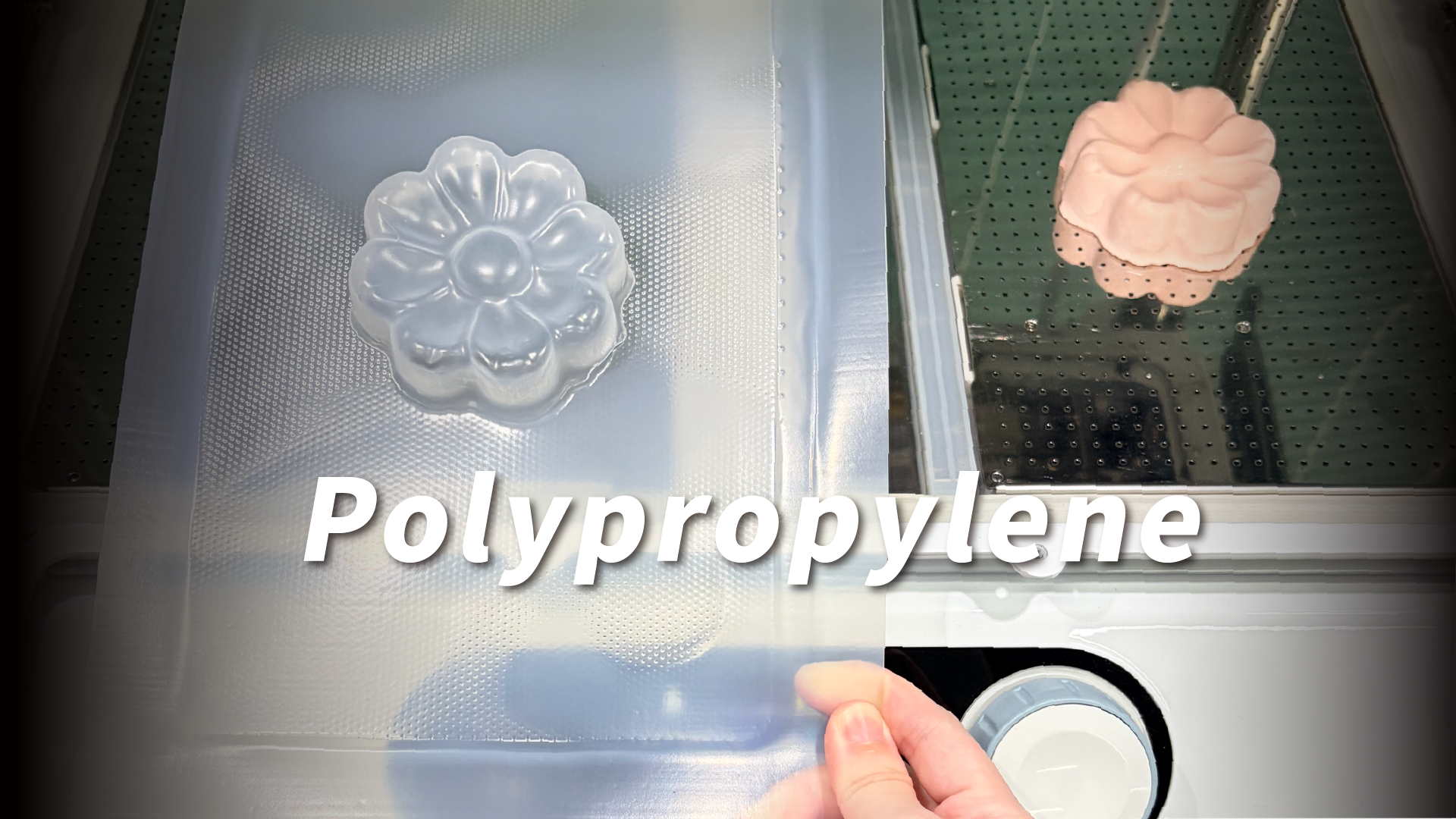
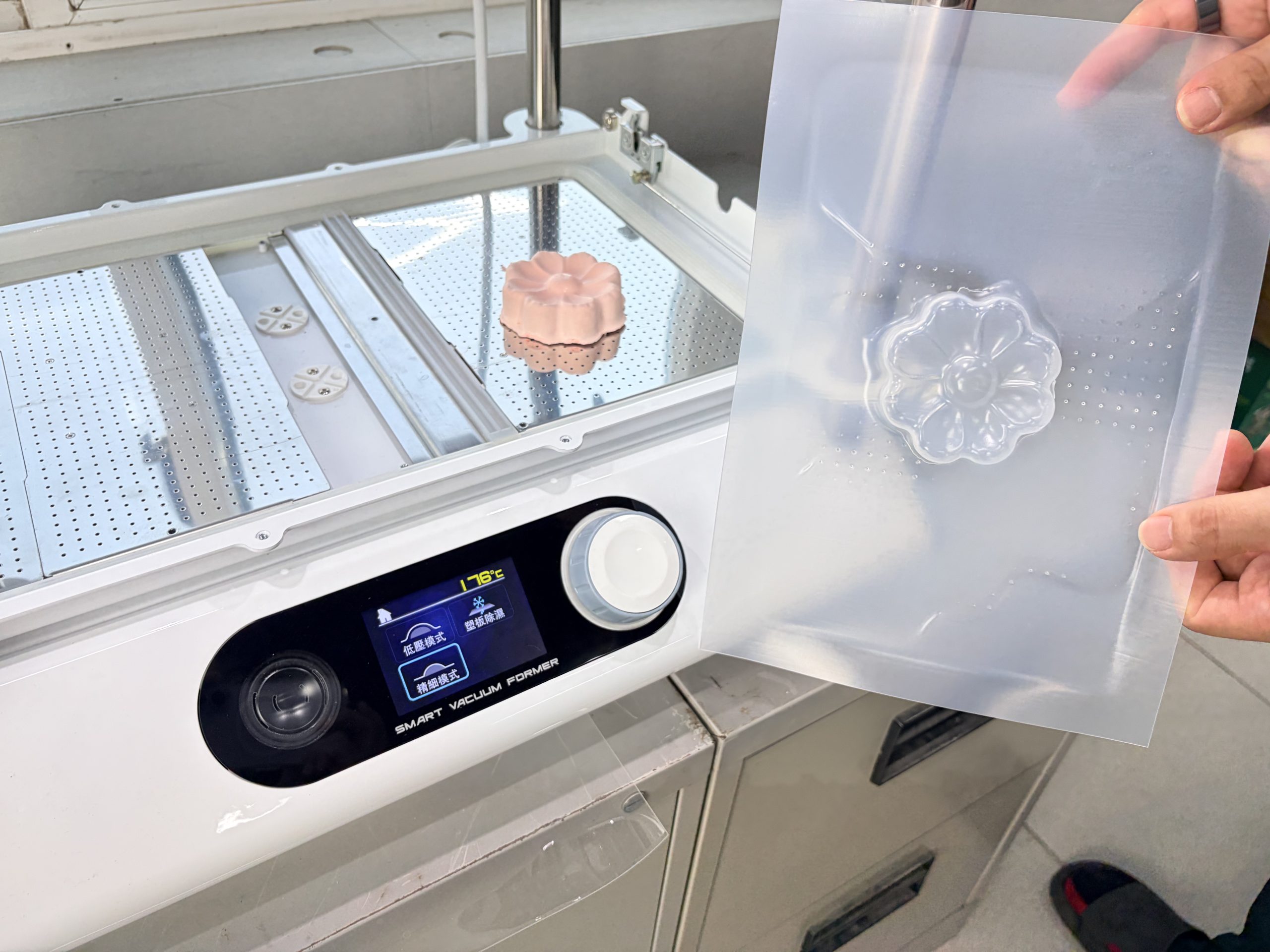
PP sheets can also be processed through vacuum forming. In this test, MYYARD used a FORMART 3 Smart Vacuum Former with a 1.0mm PP sheet to create a flower-shaped mold. We also cover the key heating and forming tips to keep in mind when vacuum forming PP.
What Is PP Sheet?
PP stands for Polypropylene.
PP offers heat resistance, chemical resistance, and low water absorption. It can be shaped after heating and softening, making it suitable for processes such as thermoforming and vacuum forming.
PP is also widely found in everyday products, including food containers, packaging, and various household plastic products.
However, “PP” only identifies the type of material. If the finished part will come into direct contact with food, make sure the specific PP sheet you use complies with applicable food-contact regulations.
What Is the Difference Between PP and LDPE?
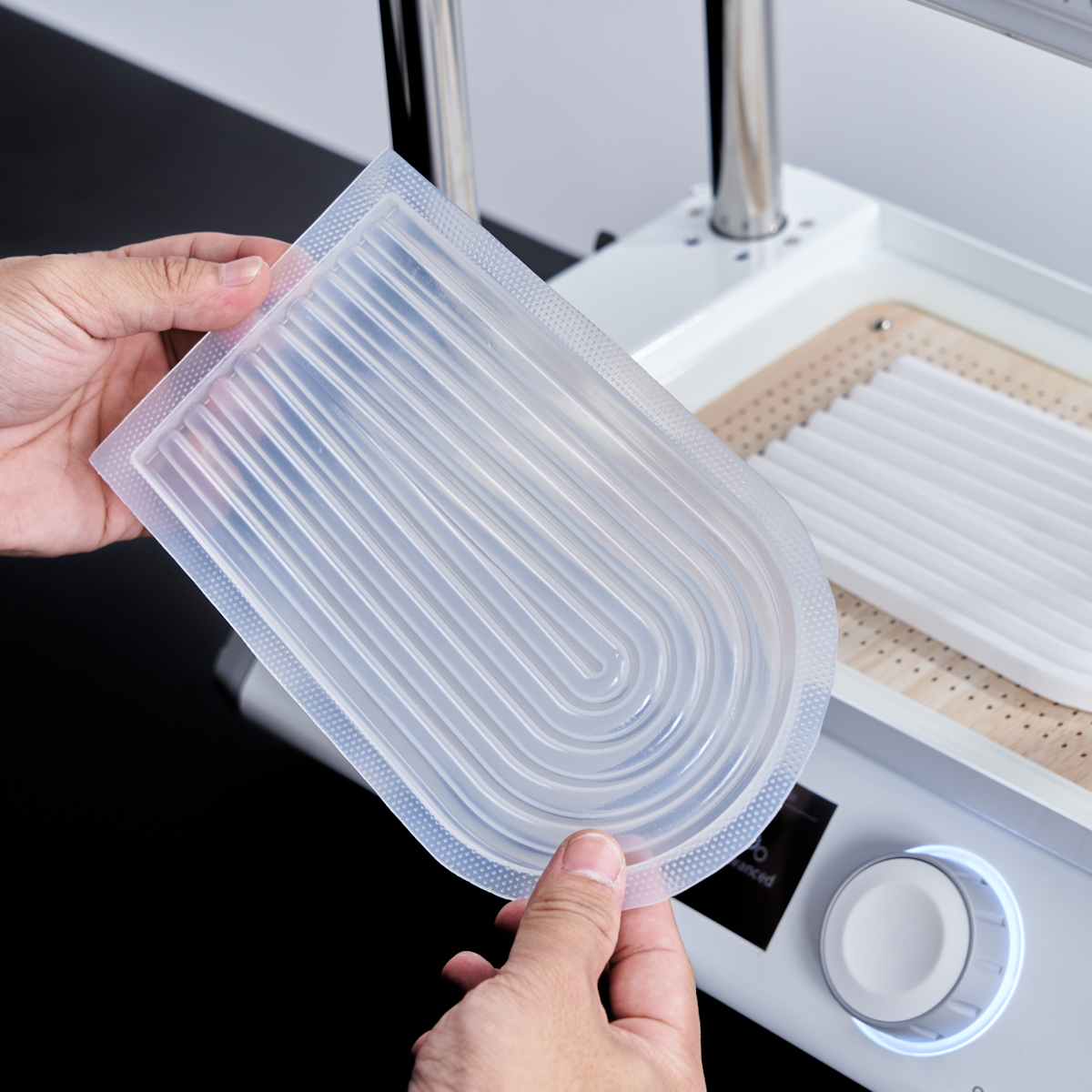
PP and LDPE (Low-Density Polyethylene) are both thermoplastics and can both be used for vacuum forming.
One of the most noticeable differences between the two is their rigidity and flexibility.
-

Cast – LDPE
NT$609 – NT$1,428 Select options This product has multiple variants. The options may be chosen on the product pageCast - LDPE
NT$609 – NT$1,428 Select options This product has multiple variants. The options may be chosen on the product page
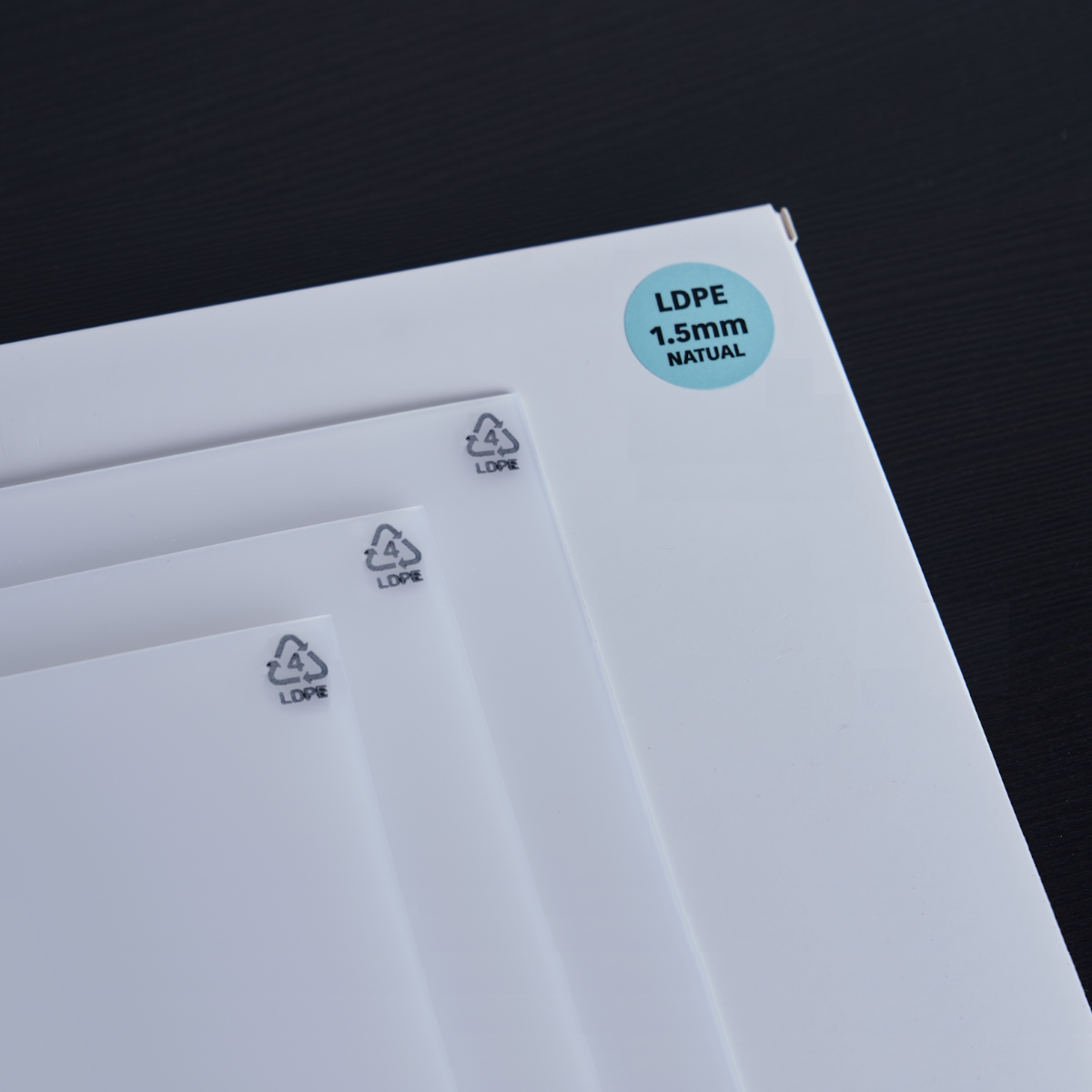
| Property | PP | LDPE |
|---|---|---|
| Material Feel | Harder and more rigid | Softer and more flexible |
| Heat Resistance | Higher | Lower |
| Chemical Resistance | Good | Good |
| Water Absorption | Low | Low |
| Flexibility | Tough but relatively rigid | Soft and flexible |
| Vacuum Forming Characteristics | Requires attention to even heating | Softer material that conforms easily to shapes |
| Common Applications | Food containers, packaging, everyday products | Flexible packaging, containers, protective products |
> Related article: Vacuum Forming LDPE for Figure Mold Casting
Can FORMART 3 Vacuum Form PP Sheets?
Yes.
For this test, we used a 1.0mm PP sheet with FORMART 3 to vacuum form a 🌸 flower-shaped mold.
Test settings:
- Material: 1.0mm PP
- Machine: FORMART 3
- Forming temperature: 195°C
- Preheating: Required
After vacuum forming, both the petals and the raised details in the center were successfully reproduced.
The 195°C setting was the actual setting used for this 1.0mm PP sheet test. Different PP sheets, thicknesses, and mold geometries may require different forming conditions, so settings should be adjusted according to the material and actual forming results.
Why Is Preheating Important When Vacuum Forming PP?
PP forming requires particular attention to even heating.
Before heating the PP sheet, preheat the machine first. This helps warm the edges and improves temperature uniformity across the sheet.
Once the machine has finished preheating, the PP sheet can be heated for forming, helping provide more consistent forming conditions.
This is an important step to keep in mind when vacuum forming PP.
Why Can PP Tear During Vacuum Forming?
PP has relatively high flowability after it is heated and softened, which can make it easier for the sheet to tear during vacuum forming.
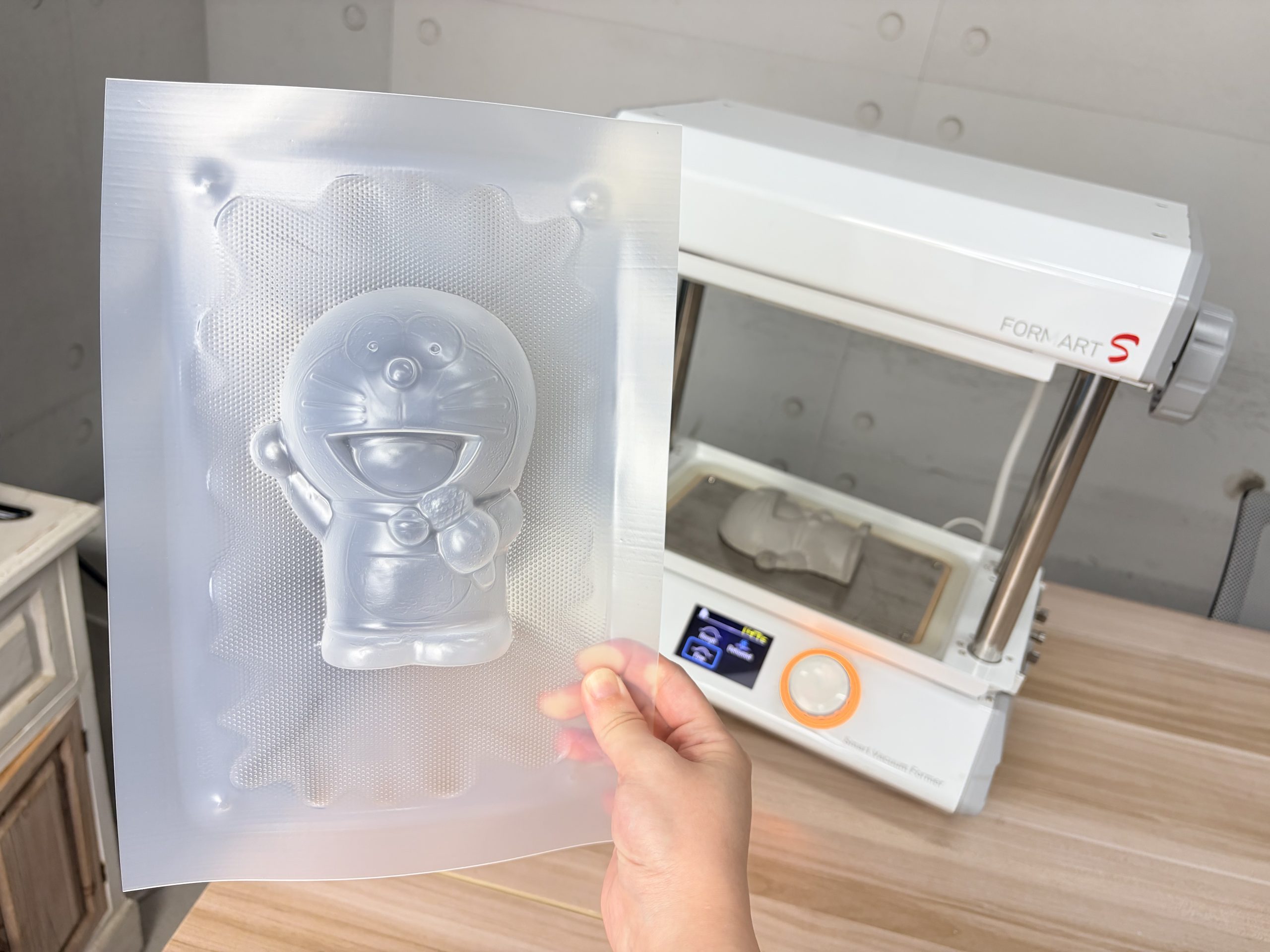
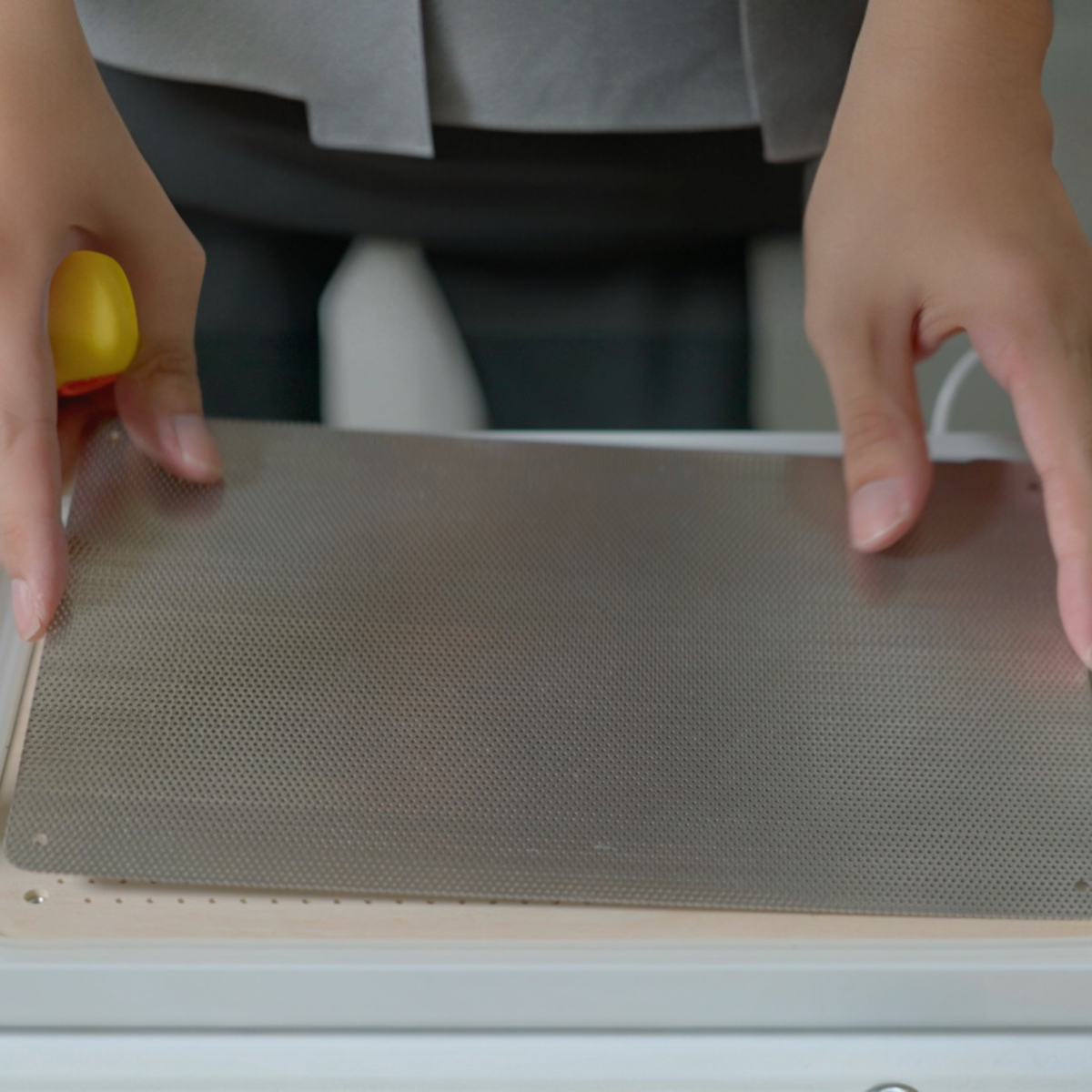
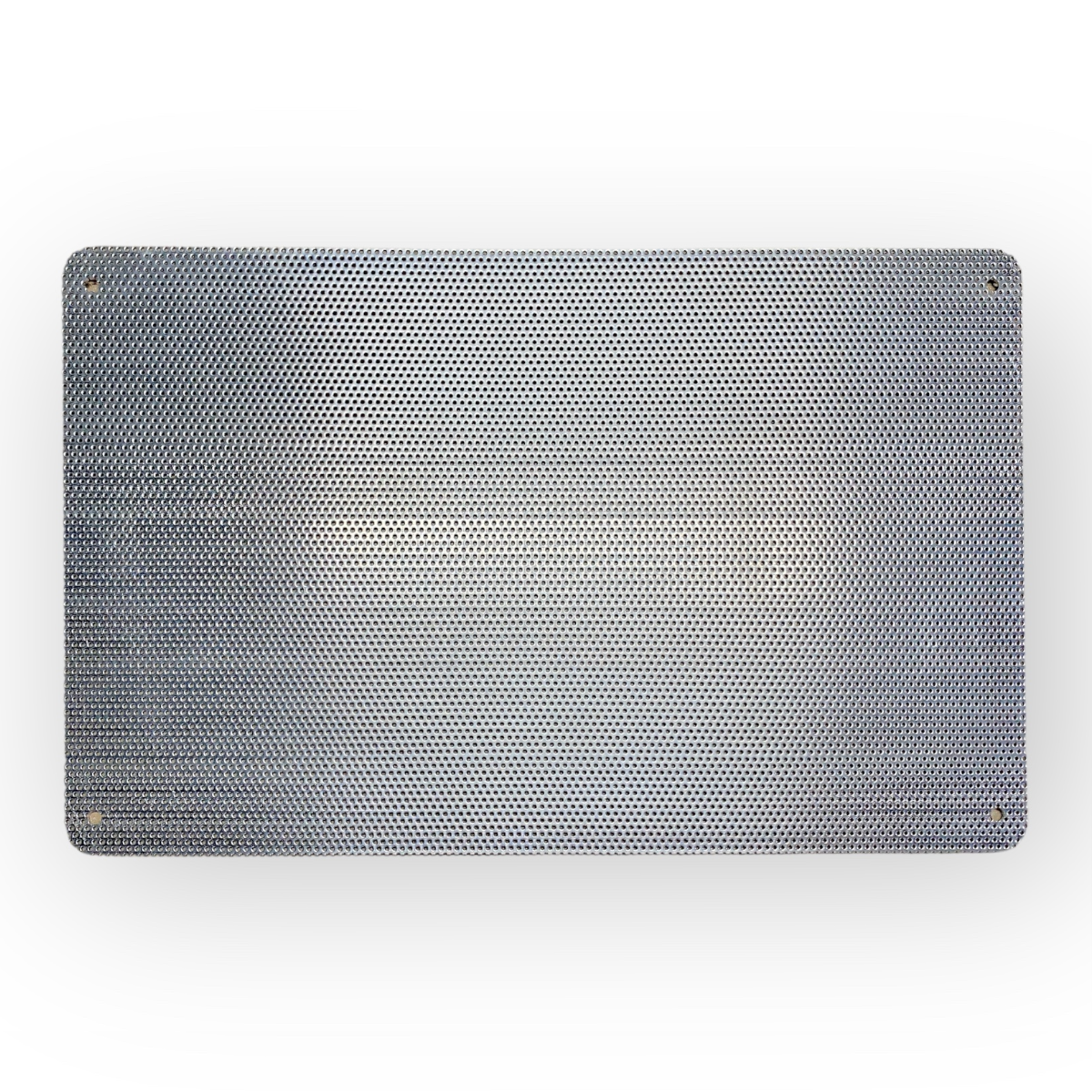
For this material characteristic, a micro-perforated forming plate can be used during forming.
The micro-perforated forming plate contains a large number of small vacuum holes, helping distribute suction more evenly and reducing excessive vacuum concentration in localized areas for a more complete forming result.
For materials such as PP, where the condition of the sheet needs to be monitored carefully during forming, a micro-perforated forming plate provides another forming option.
⬇️ Using the FORMART S Smart Vacuum Former with a micro-perforated forming plate to vacuum form a Doraemon-shaped mold
-
Featured
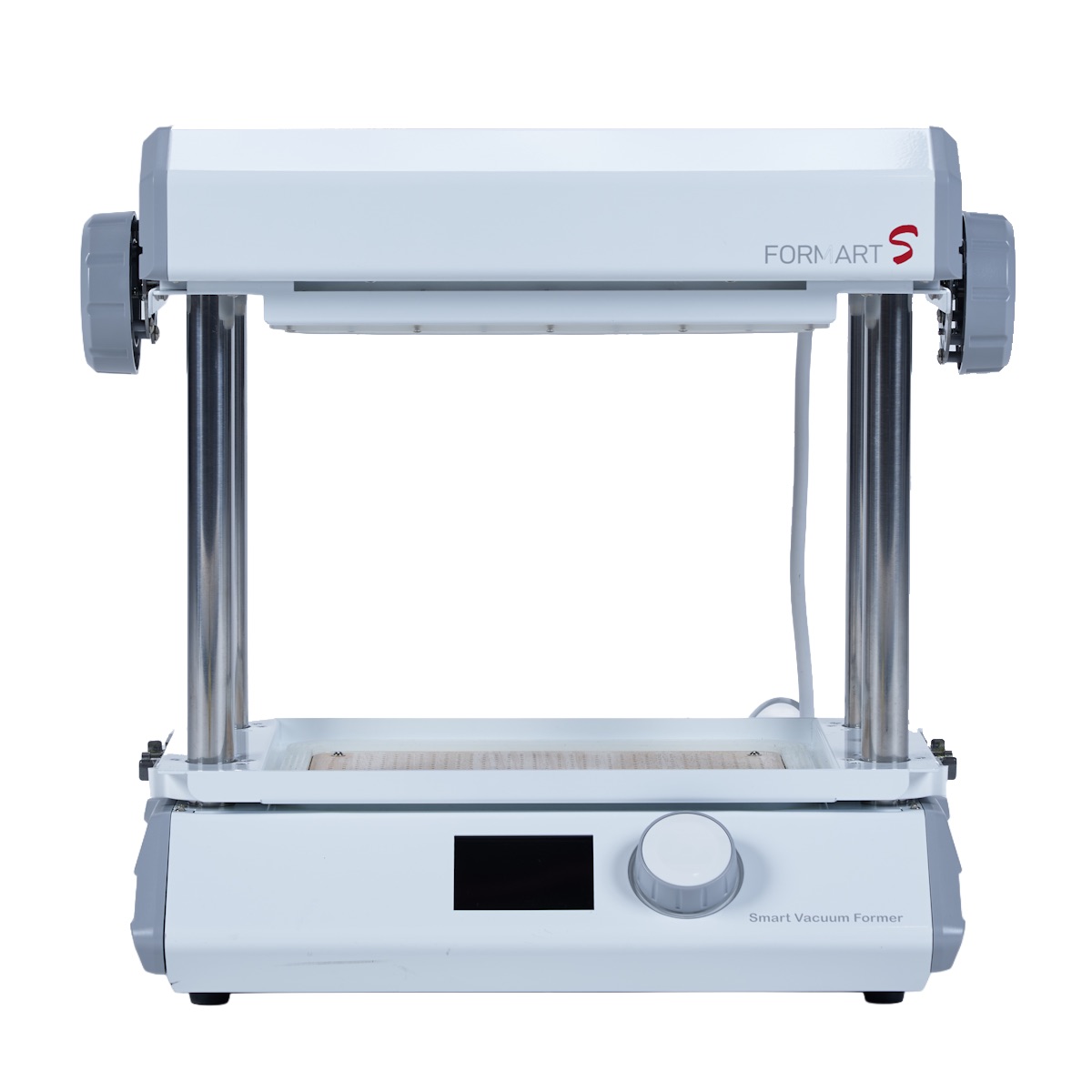
FORMART S Smart Vacuum Former
NT$28,900 Select options This product has multiple variants. The options may be chosen on the product pageFORMART S Smart Vacuum Former
NT$28,900 Select options This product has multiple variants. The options may be chosen on the product page
Using PP to Make Shaped Molds
In addition to food containers and packaging, PP sheets can be vacuum formed into a variety of three-dimensional shapes.
For this project, we heated a 1.0mm PP sheet and vacuum formed it over a flower-shaped master. The process reproduced the petals and raised details in the center to create a flower-shaped mold.
The finished mold can be used to create different shapes for:
🌸 Pudding, jelly, and similar molded items.
By changing the original mold, the same vacuum forming process can be used to produce PP formed parts in different shapes.
If the PP formed part will be used with food, make sure to use PP sheets that comply with applicable food-contact regulations.
Two Key Tips for Vacuum Forming PP
Based on this FORMART 3 + 1.0mm PP forming test, there are two areas to pay particular attention to when working with PP.
The first is preheating. Even heating is important when forming PP. Preheating the machine before heating the sheet helps improve temperature uniformity across the material.
The second is the micro-perforated forming plate. PP has relatively high flowability after heating and softening and can be easier to tear during forming. Using a micro-perforated forming plate can help achieve a more complete forming result.
In this test, we successfully formed a flower-shaped mold from 1.0mm PP at 195°C. These settings provide a practical FORMART 3 PP vacuum forming example that can be used as a reference when testing other PP applications.

No Comments