
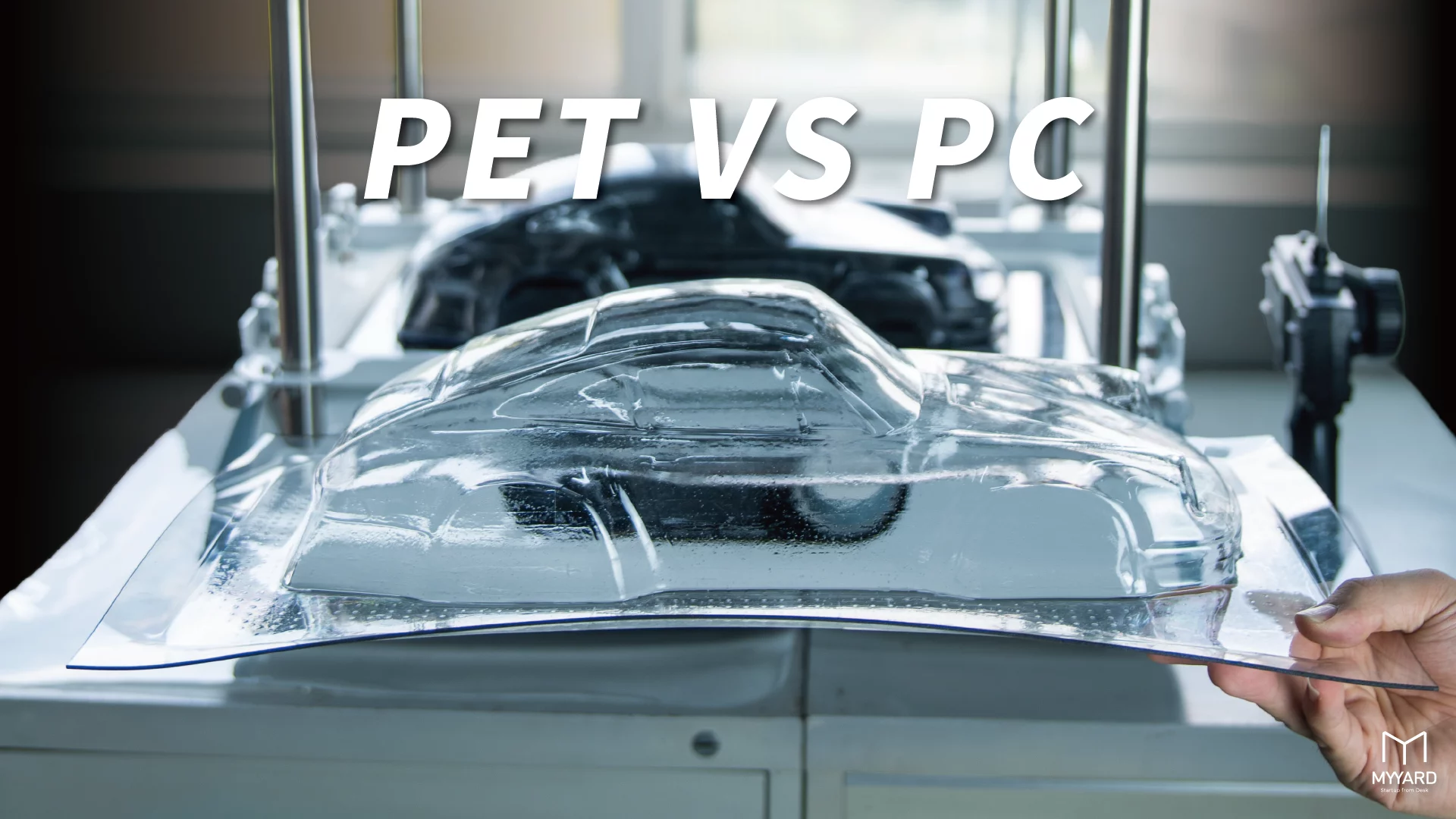
PET vs PC: How to Choose? Transparent Plastic Sheets and Vacuum Forming Materials Compared
PET vs PC: how should you choose? For product packaging, blister card packaging, transparent display boxes, and general vacuum forming, PET is usually the better choice. If the product requires greater impact resistance, such as vehicle bodies, industrial guards, or safety protection components, PC is generally more suitable.
Transparent plastic sheets are widely used in vacuum forming, and PET and PC are two of the most commonly compared materials. Both offer transparency and good strength, but they differ in impact resistance, processing requirements, and suitable applications.
The easiest rule to remember is: choose PET for packaging and PC for higher strength. Preheat the machine for PET, and dry PC before forming.
This guide explains PET vs PC: how to choose between these two transparent plastic sheets, their material properties, vacuum forming applications, and processing precautions. It will help you select the right plastic material for packaging, display products, prototyping, or industrial protection.
PET vs PC: How to Choose Based on Their Main Differences?
PET and PC are both transparent plastic materials, but they are designed for different purposes.
PET focuses on transparency, toughness, and packaging applications, while PC is primarily known for its high impact resistance and is therefore commonly used in industrial protection products.
For product packaging and display applications, PET can usually meet the required performance. PC should be considered when the finished product needs to withstand greater impact or external force.
In simple terms, most transparent packaging, display boxes, blister packaging, and food packaging applications are suitable for PET. PC is generally recommended only when greater impact resistance or protective performance is required.
What Applications Is PET Suitable For?
PET, or polyethylene terephthalate, is one of the most commonly used transparent vacuum forming materials and is also the main transparent plastic sheet currently offered by MYYARD.
Common PET applications include:
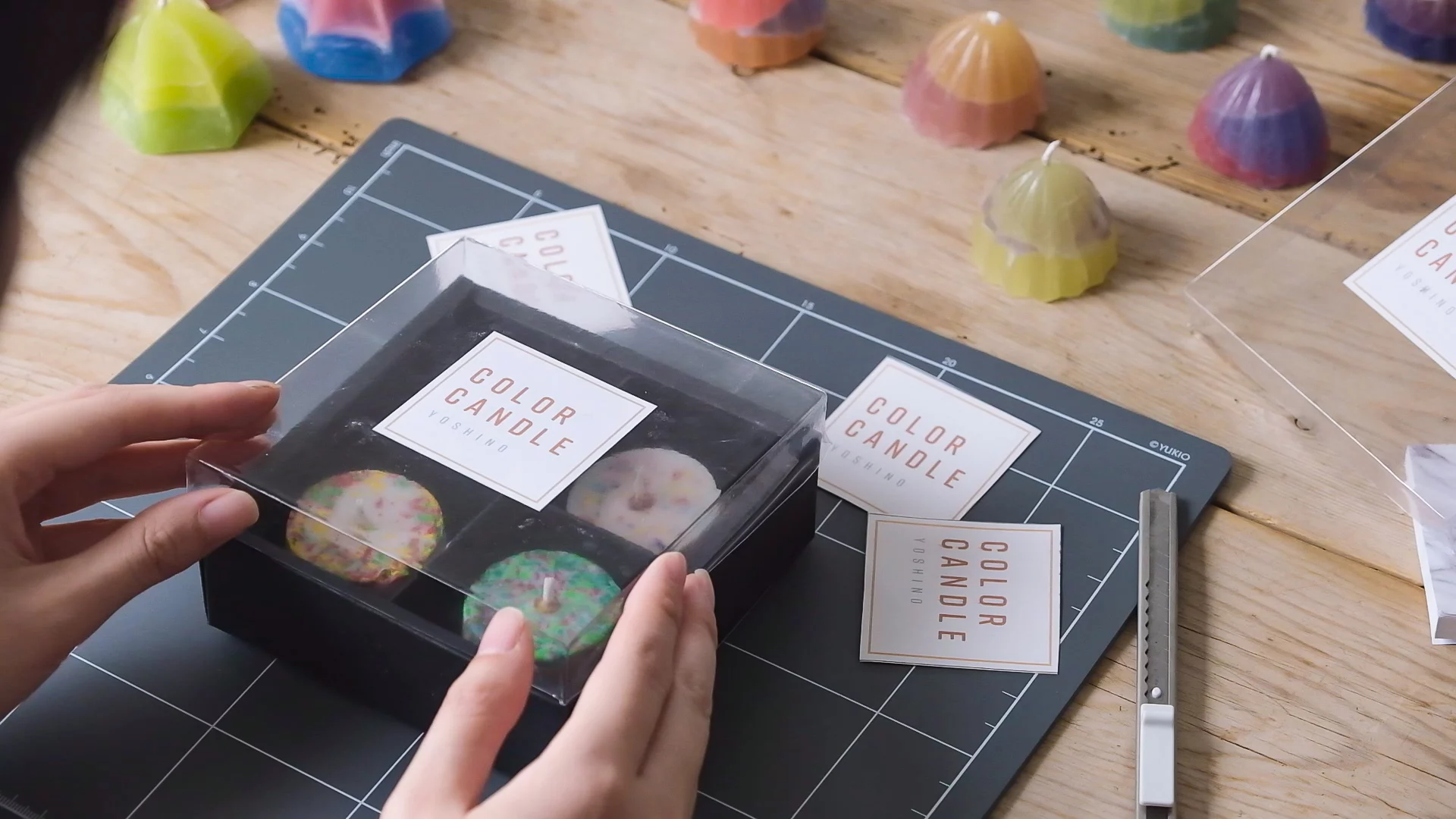
- Transparent blister packaging
- Blister card packaging
- Retail display packaging
- Food packaging
- Display boxes and transparent covers
PET offers high transparency, good sheet rigidity, impact resistance, and toughness. Its strength is sufficient for most packaging, display, and vacuum forming applications, which is why it is widely used for transparent blister packs, product display boxes, food packaging, and clear protective covers.
* Compared with HIPS, PET is less likely to crack or break.
Further reading: How to Make DIY Blister Card Packaging with Vacuum Forming.
What Should You Know Before Vacuum Forming PET?
The most important rule when vacuum forming PET is to avoid leaving the plastic sheet at a high temperature for too long.Excessive heating may reduce transparency and surface quality even when the forming process itself is successful.
If PET remains at a high temperature for too long, it may develop:
- Whitening
- Cloudiness
- Reduced transparency
When using PET, allow the vacuum forming machine to complete its preheating process before heating the plastic sheet.
Preheating helps stabilize the heating system and reduces the amount of time PET remains in the high-temperature zone. This improves forming consistency and lowers the risk of whitening or cloudiness.
Tip: PET generally does not require drying, but repeatedly reheating the same sheet should be avoided to maintain better transparency and forming quality.
What Applications Is PC Suitable For?
The main advantage of PC, or polycarbonate, is its high impact resistance.Compared with PET, PC is better suited to products that require greater structural strength, impact resistance, or protective performance.
Common PC applications include:
- Industrial protective covers
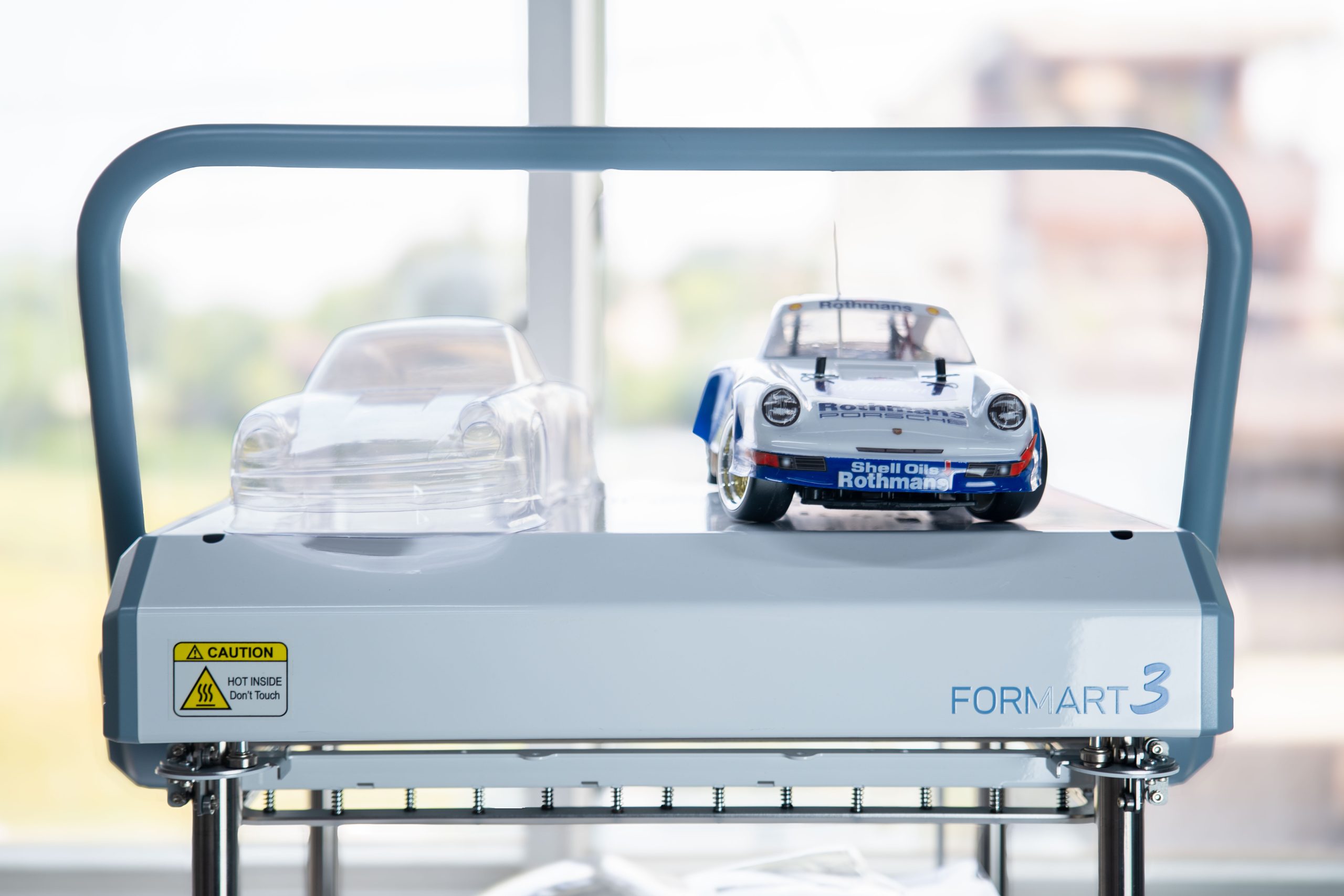
- Vehicle bodies and model car shells
- Tool covers
- Machine guards
- Protective face shields
- Riot shields
PC is the better choice when a product must withstand stronger impact or long-term use. For general packaging, display boxes, or transparent blister packs, PET is usually sufficient.
What Should You Know Before Vacuum Forming PC?
Many people believe PC is difficult to form, but the main issue is actually its moisture absorption.
PC can absorb moisture from the surrounding air. If the sheet is heated without proper drying, it may develop:
- Bubbles
- Surface cloudiness
- Surface marks
- Reduced transparency
For this reason, the PC sheet should be properly dried before heating and vacuum forming. When the moisture has been sufficiently removed, PC can also achieve excellent transparency and forming quality.
Tip: PC is not necessarily more difficult to form than PET. It is simply more sensitive to moisture. Proper drying can significantly reduce the risk of bubbles and other surface defects.
Why Does MYYARD Mainly Offer PET Sheets?
MYYARD currently focuses on PET sheets for vacuum forming because PET can meet the requirements of most transparent vacuum forming applications.
PET combines transparency, toughness, and good impact resistance. It is suitable for product packaging, transparent display boxes, blister card packaging, food packaging, and clear covers, making it one of the most widely used transparent vacuum forming materials.
Although PC provides greater impact resistance, it is mainly used for industrial protection, equipment covers, vehicle bodies, and specialized applications. When very high impact resistance is not required, PET usually provides a better balance of quality, processing efficiency, and cost.
For users who are new to vacuum forming, we generally recommend starting with PET because it offers stable performance, high transparency, and suitability for a wide range of creative and product development applications.
-

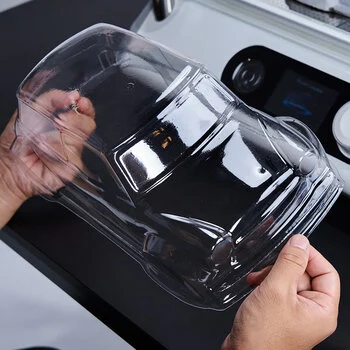
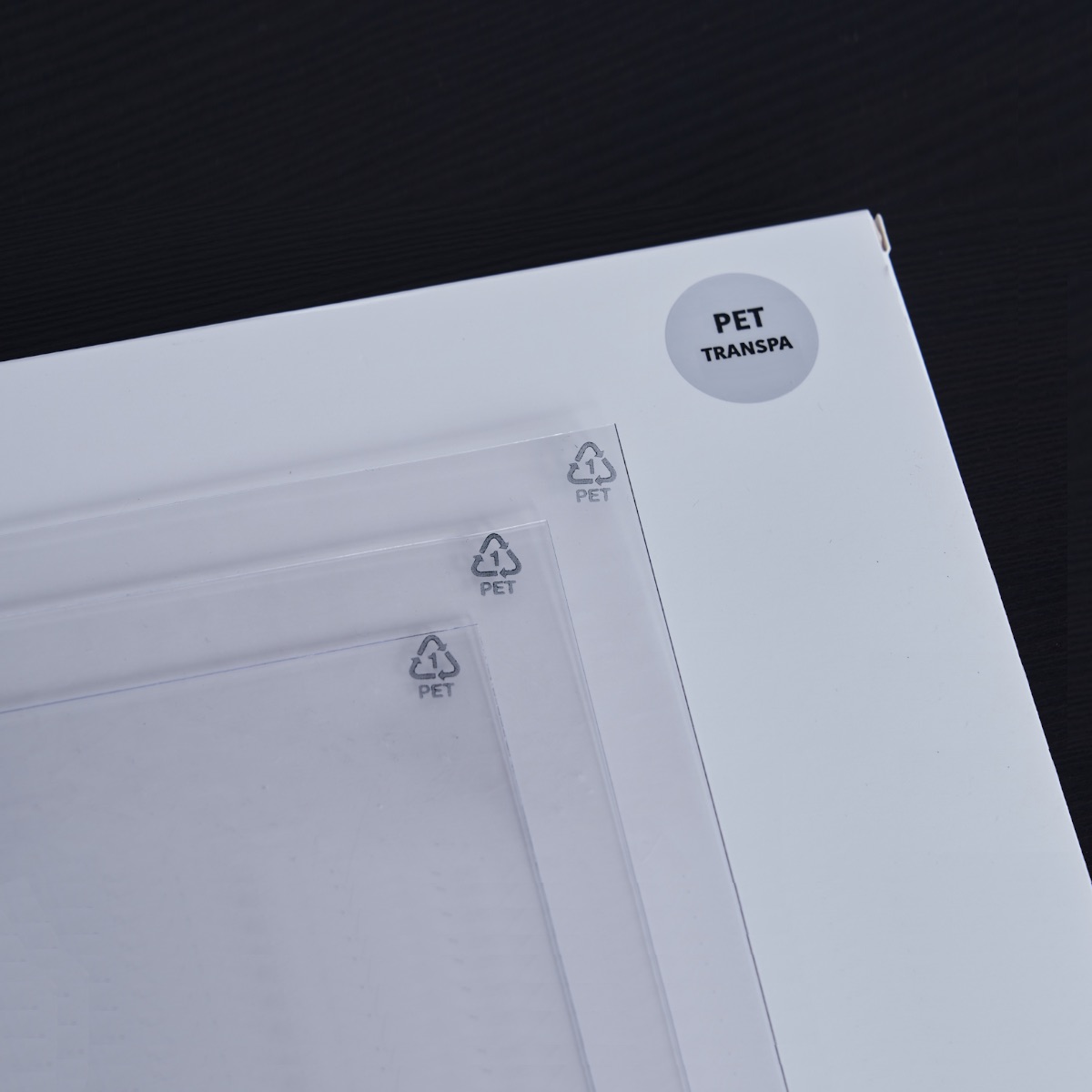
Anti impact – PET
NT$777 – NT$1,974 Select options This product has multiple variants. The options may be chosen on the product pageAnti impact - PET
NT$777 – NT$1,974 Select options This product has multiple variants. The options may be chosen on the product page
-
Featured
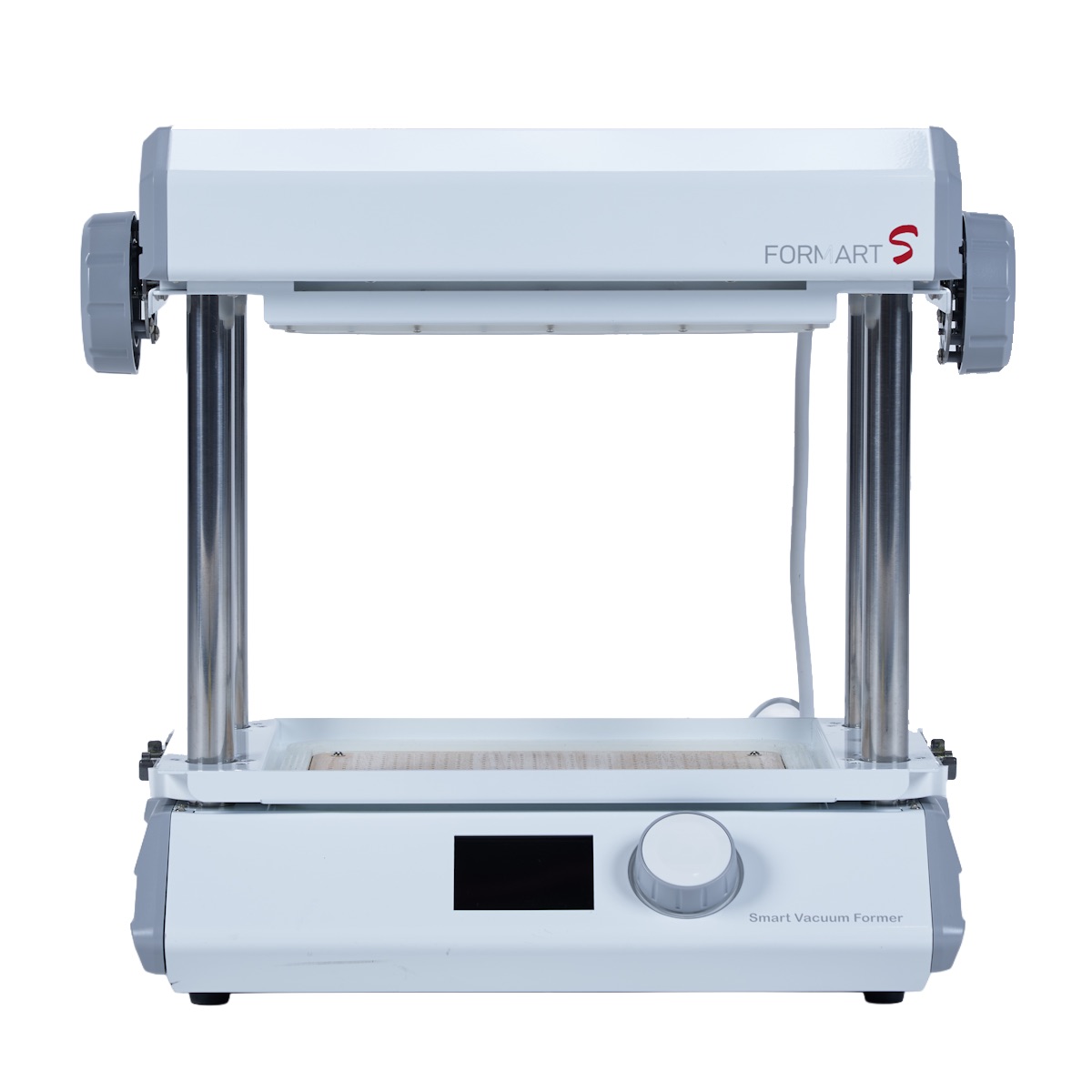
FORMART S Smart Vacuum Former
NT$28,900 Select options This product has multiple variants. The options may be chosen on the product pageFORMART S Smart Vacuum Former
NT$28,900 Select options This product has multiple variants. The options may be chosen on the product page
PET vs PC: How to Choose by Transparency, Impact Resistance, and Application
|
Category |
PET |
PC |
|---|---|---|
|
Transparency |
★★★★★ High transparency |
★★★★★ High transparency |
|
Impact resistance |
★★★★☆ Suitable for most packaging and display applications |
★★★★★ Suitable for industrial protection and high-impact environments |
|
Common applications |
Blister packs, carded packaging, product display boxes, food packaging, and transparent covers |
Industrial guards, vehicle bodies, equipment covers, and protective components |
|
Vacuum forming requirements |
Preheat the machine and avoid prolonged heating |
Dry the sheet before forming |
|
Recommended users |
Packaging designers, product developers, DIY creators, and food packaging users |
Industrial designers and users making impact-resistant protective products |
|
Available from MYYARD |
✔ |
✘ |
When deciding PET vs PC: how to choose, do not focus only on which material is stronger. Start by considering how the finished product will be used. Blister packaging, product displays, food packaging, and transparent model covers usually prioritize clarity, appearance, and processing efficiency, so PET is generally sufficient. Industrial guards, vehicle bodies, and safety equipment require greater impact resistance and are therefore better suited to PC.
In addition to material properties, sheet thickness, mold height, heating time, and the vacuum forming machine will also affect the final result. Before full production, test the heating and forming parameters with a smaller sheet, then adjust the heating time and vacuum strength based on the quality of the formed details.
PET and PC Material Selection FAQ
Can PET Be Used for Food Packaging?
Yes. PET offers good transparency, toughness, and impact resistance and is widely used for food packaging, transparent display boxes, blister packaging, and various vacuum formed products. Always confirm that the specific sheet grade complies with the food-contact regulations required for your market and application.
Is PET Easier to Vacuum Form Than PC?
In general, yes. PET normally does not require drying, but it should not remain at high temperature for too long. PC absorbs moisture and should be dried before forming to reduce the risk of bubbles, cloudiness, and surface defects.
Why Does PC Develop Bubbles During Heating?
PC can absorb moisture from the surrounding air. If it is heated without proper drying, the trapped moisture turns into vapor and forms bubbles. Drying the plastic sheet before vacuum forming can significantly reduce this problem.
Can FORMART Vacuum Form Both PET and PC?
Yes. FORMART smart vacuum forming machines can form both PET and PC sheets. For PET, preheat the machine before forming. For PC, dry the plastic sheet before heating to achieve better transparency and surface quality. Learn more about FORMART vacuum forming machines on the MYYARD global vacuum forming machine page.
PET vs PC: What Is the Easiest Way to Choose?
Choose PET for product packaging, blister card packaging, food packaging, and transparent display boxes. Choose PC for vehicle bodies, machine guards, equipment covers, and safety components that must withstand greater impact. In simple terms, choose PET for packaging and PC when higher impact resistance is required.
Conclusion: Should You Choose PET or PC?
For product packaging, transparent display boxes, blister card packaging, and general vacuum forming, PET is usually the most practical choice.It combines transparency, toughness, and sufficient impact resistance for most vacuum forming applications.
Choose PC when the finished product requires greater impact resistance, such as industrial guards, vehicle bodies, or safety protection components. Remember that PC should be properly dried before forming to reduce bubbles, cloudiness, and other surface defects.
If you are looking for a transparent plastic sheet suitable for vacuum forming, explore the PET vacuum forming sheets available from MYYARD. To learn how to produce custom retail packaging, read our DIY blister card packaging tutorial.
Remember: choose PET for packaging and PC for higher strength. Preheat for PET, and dry PC before vacuum forming.
For additional information about the physical properties of these materials, refer to the external resources on polyethylene terephthalate and polycarbonate.
No Comments