

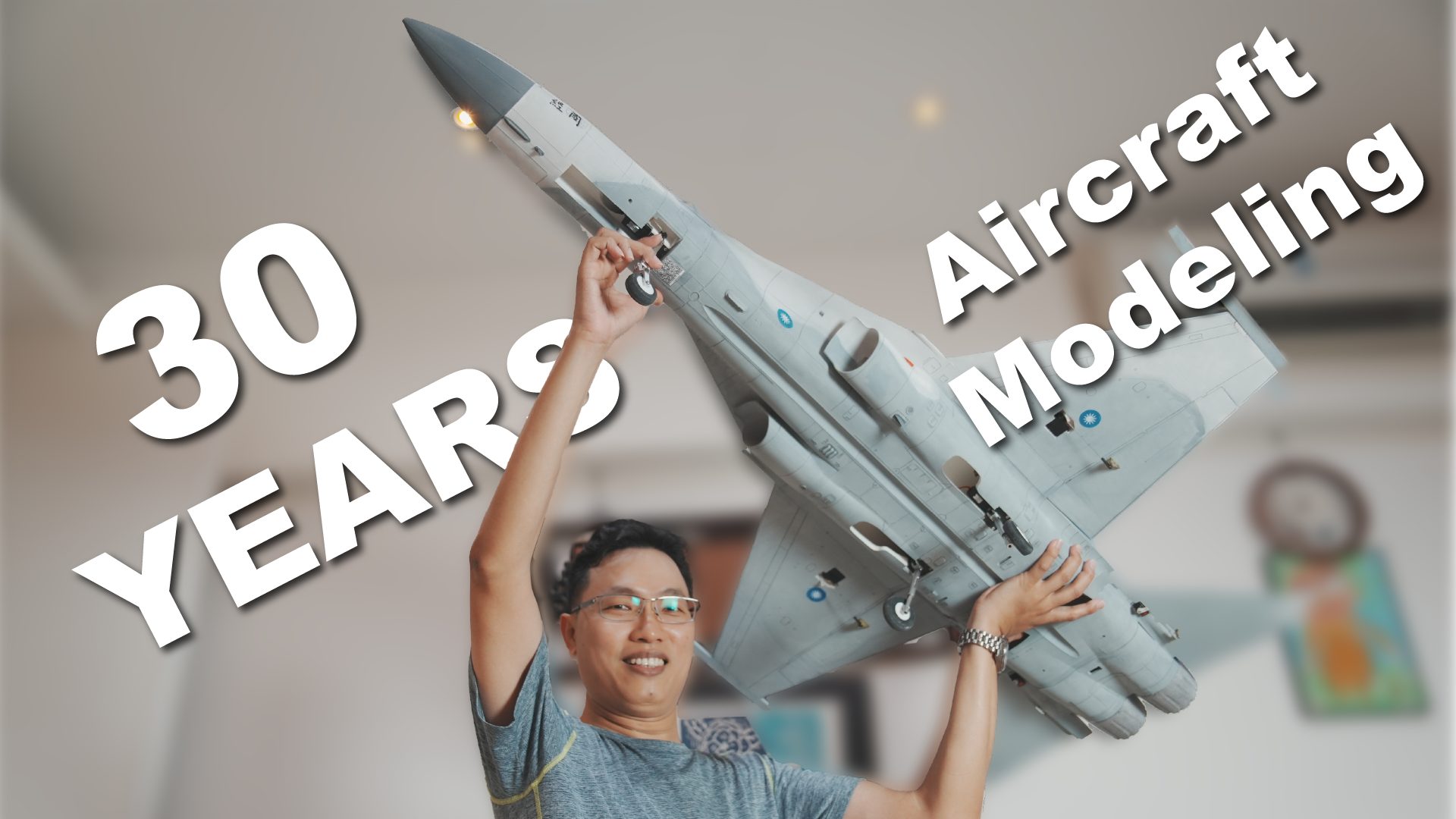
How to Make a Transparent Aircraft Model Canopy? FORMART Vacuum Forming for the Brave Eagle Advanced Trainer
Want to create a transparent canopy for your aircraft model? With the FORMART Smart Vacuum Former, a 3D-printed master mold, and PET vacuum forming sheets, you can produce a crystal-clear aircraft canopy with fine details in just 2–3 minutes after the mold is ready.
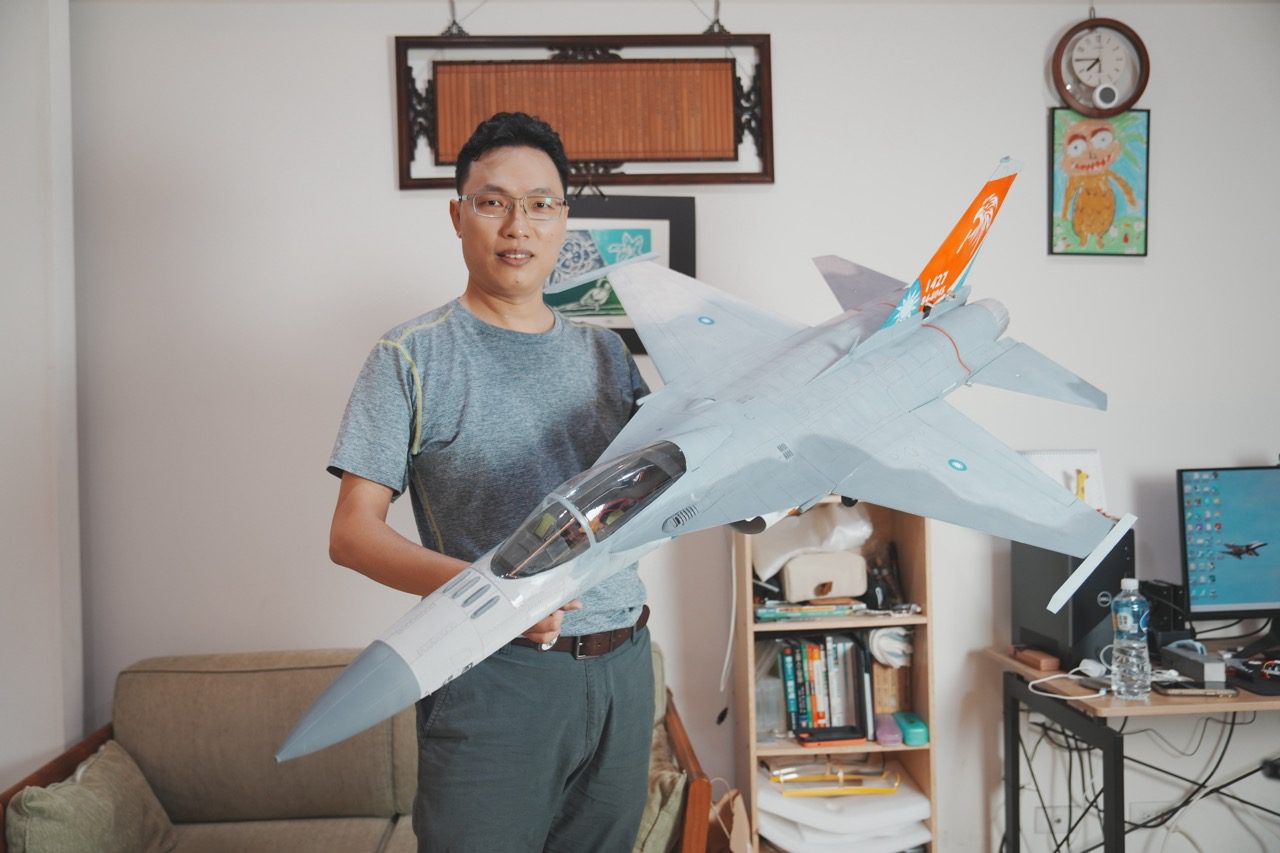
Aircraft model builder Lin Chia-Nan from Taichung spent more than a year refining the airframe structure and aerodynamic design. From crashing the first prototype to achieving a smooth landing with the third, he successfully brought his Brave Eagle Advanced Trainer model to life in the sky.
“I'm not just building a model—I'm building an aircraft that truly flies.”
To recreate the appearance of the real aircraft, Lin uses the FORMART Smart Vacuum Former to make transparent canopies. It not only improves production efficiency but also consistently delivers crystal-clear results with realistic details.
🛠️ How to Make a Transparent Aircraft Model Canopy
“The soul of an aircraft is its transparent canopy—you can see the pilot inside.” — Lin Chia-Nan

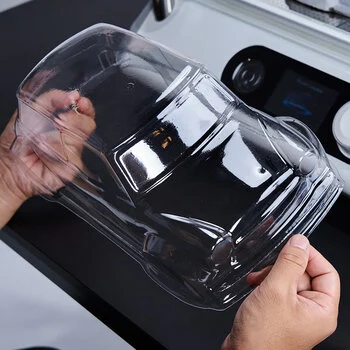
Lin first creates a master mold using 3D printing, then uses the FORMART Smart Vacuum Former to form the transparent two-seat canopy for his Brave Eagle Advanced Trainer model.
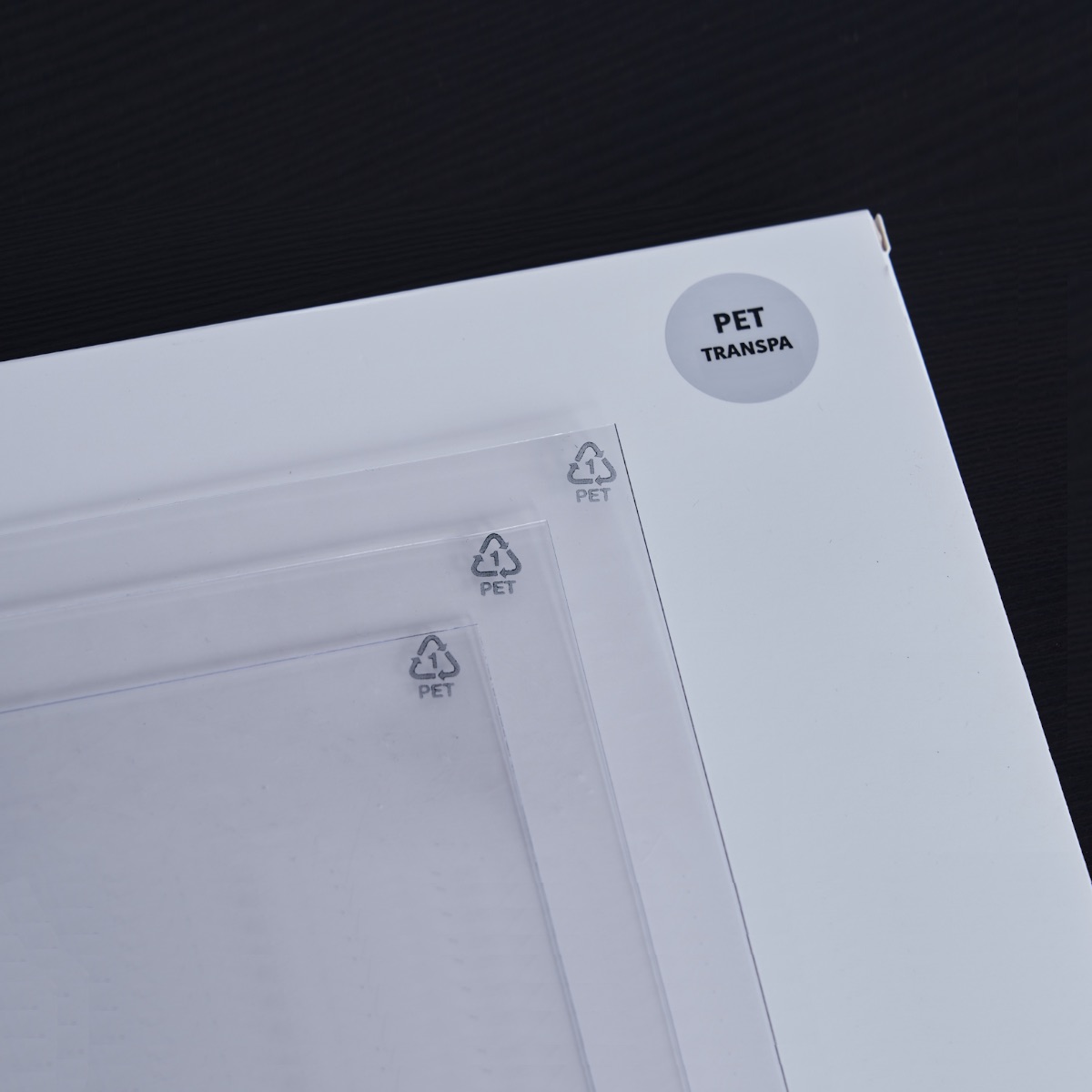
Using a plaster mold together with MYYARD 0.8 mm PET Vacuum Forming Sheets, he successfully produces lightweight, crystal-clear aircraft model canopies that release easily from the mold while faithfully reproducing the look of the full-scale Brave Eagle aircraft.

⚙️ Why Do Aircraft Model Builders Choose Vacuum Forming for Transparent Canopies?
For aircraft model enthusiasts who demand realistic details, vacuum forming is one of the best ways to produce lightweight, crystal-clear canopies with consistent quality. The FORMART Smart Vacuum Former combines precise heating and stable vacuum pressure to achieve professional, repeatable results.
Once the mold is ready, a transparent aircraft model canopy can be formed in approximately 2–3 minutes after preheating.

Why FORMART Is Ideal for Aircraft Models and Transparent Canopies
1. Smart Heating System
Rapid preheating reduces sheet heating time and minimizes waiting, allowing you to start forming faster.
2. Stable Vacuum Pressure
Uniform vacuum pressure ensures the plastic sheet conforms smoothly to the mold, producing sharp details and crystal-clear canopies.
3. Compatible with Multiple Materials
Supports PET, HIPS, ABS, PC, and other vacuum forming materials, making it suitable for aircraft canopies, lamp covers, product housings, prototypes, and more.
4. Compact Desktop Design
Perfect for personal workshops, makerspaces, schools, design studios, and product development teams.

🧩 3D Printing + Vacuum Forming: How to Build Realistic Aircraft Models
Lin combines 3D-printed structural components with vacuum-formed parts to achieve realistic appearance, lightweight construction, and excellent flight performance in his aircraft models.
His Brave Eagle Advanced Trainer model features a two-seat cockpit with a removable transparent canopy. Even the pilot seats and instrument panel are carefully recreated, giving the finished model the look and feel of the full-scale aircraft.
"I design the model in 3D, print the master mold, create the plaster mold, vacuum form the canopy, paint it, and finally test-fly it—all by myself."
From 3D modeling and printing the master mold to creating the plaster mold, vacuum forming PET sheets, and applying the final paint finish, this integrated workflow makes it easy to refine designs while producing consistent, repeatable parts. It has also become one of the most popular applications of the FORMART Smart Vacuum Former for aircraft model builders.

🎯 How Can Beginners Start Building Their First Aircraft Model?
Lin encourages beginners to take advantage of vacuum forming technology.
"Once you learn 3D modeling and understand the three basic steps—designing, mold making, and vacuum forming—you'll be ready to build your own aircraft model."
For newcomers, he recommends starting with propeller aircraft or high-wing trainer models. After becoming familiar with flight control and aircraft design, you can gradually move on to jet aircraft and more advanced scale models.
The FORMART Smart Vacuum Former delivers stable, repeatable vacuum forming performance, allowing builders to reproduce transparent canopies and aircraft body parts quickly and consistently. Faster prototyping means more time for testing, refining, and improving every flight.


🚀 How FORMART Helps Aircraft Model Builders Bring Their Dreams to Life
"Keep flying until you can't fly anymore. That's my Keep Walking philosophy."
With more than 30 years of dedication, Lin Chia-Nan has shown that aircraft models are more than static displays. Through continuous design improvements, manufacturing, and flight testing, they become aircraft that truly fly. The FORMART Smart Vacuum Former helps him quickly produce high-quality transparent canopies, giving every model the authentic appearance and performance he strives for.
Watch the Full Interview 👇🏻
💫 Inspired by Lin Chia-Nan's Story?
Start creating your own aircraft models, transparent canopies, prototypes, and vacuum forming projects with the FORMART Smart Vacuum Former.
-
 Featured
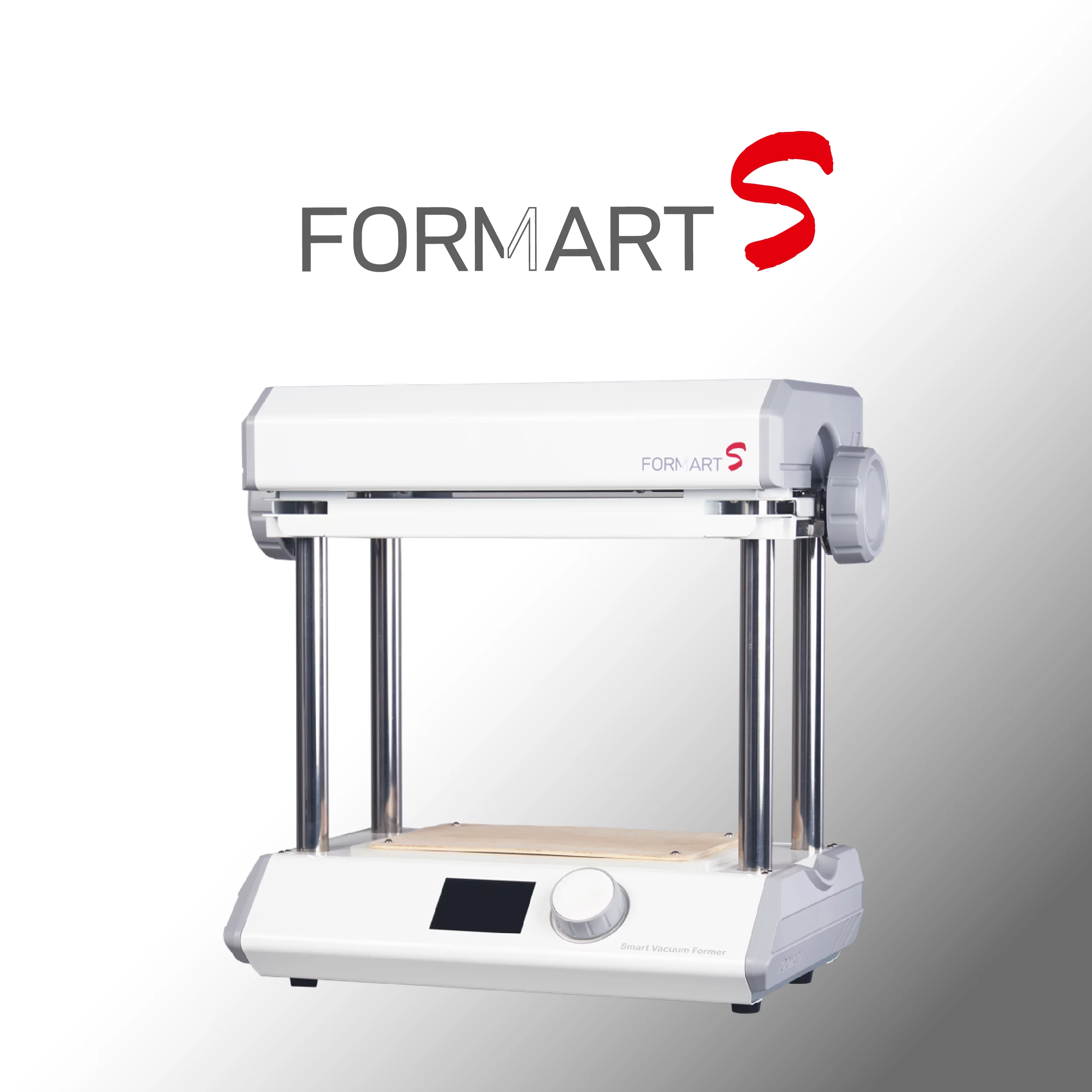
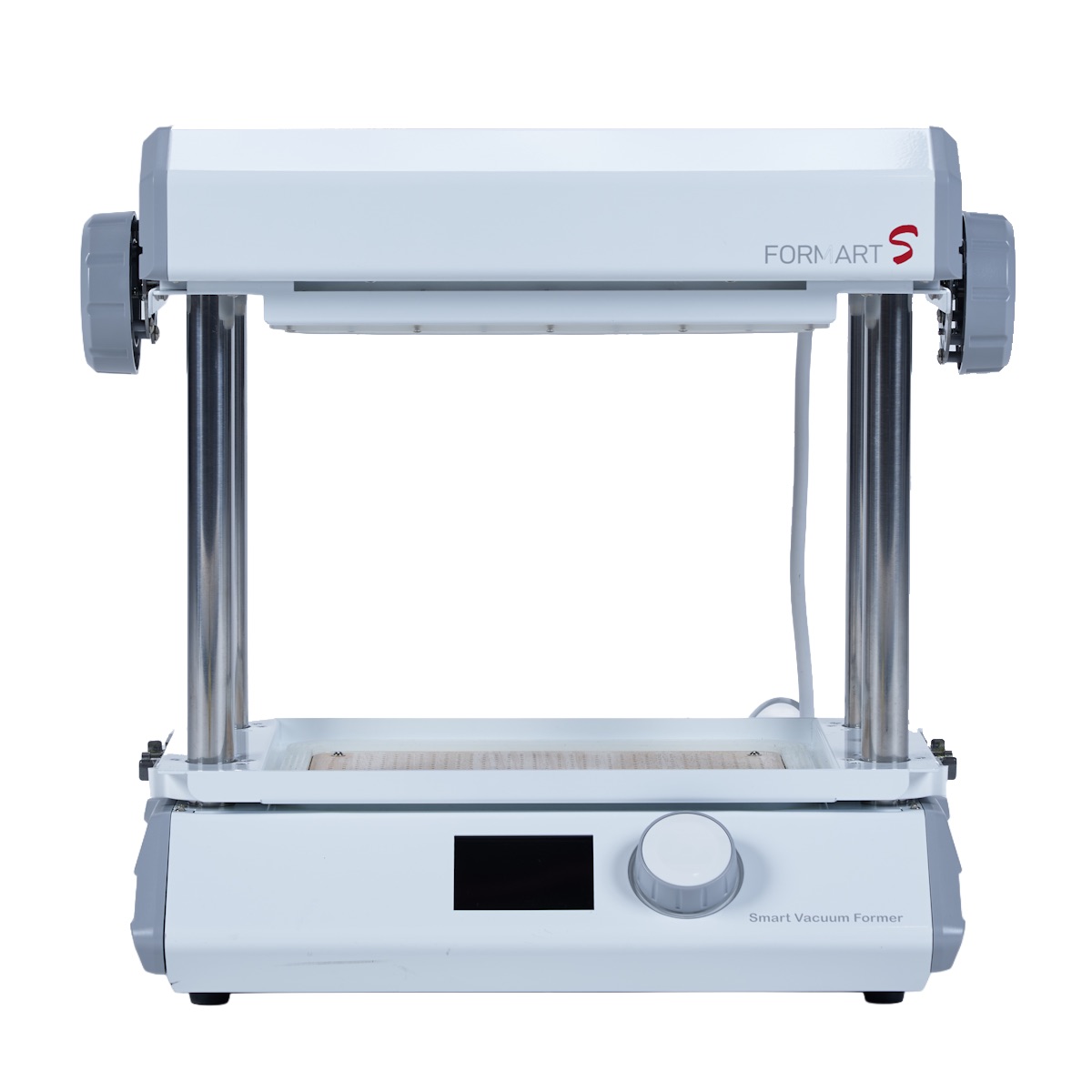
FORMART S Smart Vacuum Former
NT$28,900 Select options This product has multiple variants. The options may be chosen on the product pageFORMART S Smart Vacuum Former
NT$28,900 Select options This product has multiple variants. The options may be chosen on the product page
-
Anti impact – PET
NT$777 – NT$1,974 Select options This product has multiple variants. The options may be chosen on the product pageAnti impact - PET
NT$777 – NT$1,974 Select options This product has multiple variants. The options may be chosen on the product page
❓ Frequently Asked Questions (FAQ)
Can vacuum forming be used to make transparent aircraft model canopies?
Yes. Transparent canopies are one of the most common applications of vacuum forming. By combining PET Vacuum Forming Sheets with the FORMART Smart Vacuum Former, you can quickly produce lightweight, crystal-clear, and highly consistent canopies for aircraft models.
What material is recommended for transparent aircraft model canopies?
PET vacuum forming sheets are the most popular choice because they offer excellent transparency, good toughness, and reliable forming performance. They are ideal for aircraft models, RC airplanes, and other transparent covers. If higher impact resistance is required, PC sheets are another option, but they should be properly dried before vacuum forming.
Do I have to use a 3D printer to make the mold?
Not necessarily. Besides 3D printing, molds can also be made from plaster, wood, or CNC-machined materials. However, 3D printing remains the preferred choice for many aircraft model builders because it is easy to modify, cost-effective, and ideal for rapid prototyping.
What else can I make with FORMART besides aircraft model canopies?
FORMART is suitable for a wide range of vacuum forming applications, including aircraft model canopies, lamp covers, product housings, blister packaging, display covers, product prototypes, trays, and DIY molds. It is an excellent solution for makers, workshops, schools, designers, and product development teams.

No Comments